

Topic: SEO/General SEO
By: Chelsey the Creator
(10 min read)
____________________________________________________________________________________
I am a digital creator, product developer, blogger, and internet entrepreneur with real-life experiences. I write about personal growth, share ideas and experiences as a Thinker, Architect, and AI Enthusiast. I write about being different in a world where other people strive to be the same. Some people say I’m an innovator. Others say I talk a lot about nothing. You be the judge! Read and join an innovative community of thinkers.
In today’s competitive digital landscape, small business owners need every advantage to stand out and succeed online. Whether you run a local entertainment business, a consulting firm, or an e-commerce site, mastering Search Engine Optimization (SEO) can be a game-changer for your business.
As search engine algorithms continue to evolve, staying ahead of the curve is essential for boosting your website’s visibility and driving organic traffic. In this post, we’ll explore the top 10 SEO tips tailored specifically for small business owners, helping you enhance your Google ranking in 2024.
Get ready to unlock the secrets to higher search rankings and increased online visibility, giving your business the edge it needs to thrive!
1. Understanding Search Engines

Search engines like Google, Bing, and Yahoo use complex algorithms to determine the relevance and ranking of web pages. These algorithms consider hundreds of factors, including keywords, content quality, and user experience. Understanding how these algorithms work can help you optimize your site effectively.
Googles: How Search Engines Work
What is a Search Engine?
Search engines work by crawling the web to find pages, indexing the content they discover, and then ranking these pages based on relevance and quality to match user queries. They use algorithms to analyze factors like keywords, backlinks, and user experience, delivering the most relevant results to users.
What is a Algorithm?
An algorithm is a set of step-by-step instructions or rules designed to perform a specific task or solve a problem. In computing, algorithms process data and make decisions, enabling software and systems to function efficiently and accurately. They are fundamental to operations like search engine rankings and data analysis.
2. Keywords Are Key
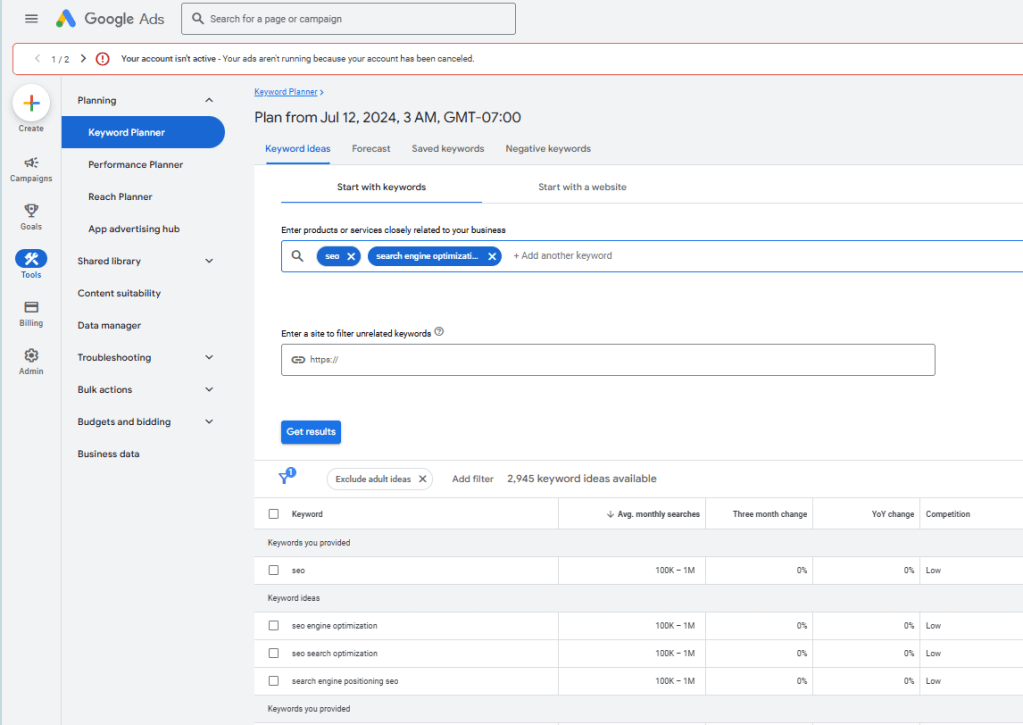
What is a keyword?
Keywords are the terms and phrases that users type into search engines. They are the foundation of SEO. To rank well, you need to conduct thorough keyword research to identify the terms your target audience is searching for. Tools like Google Keyword Planner, Ahrefs, and SEMrush can help you find relevant keywords with high search volume and low competition.
3. Quality Content is King
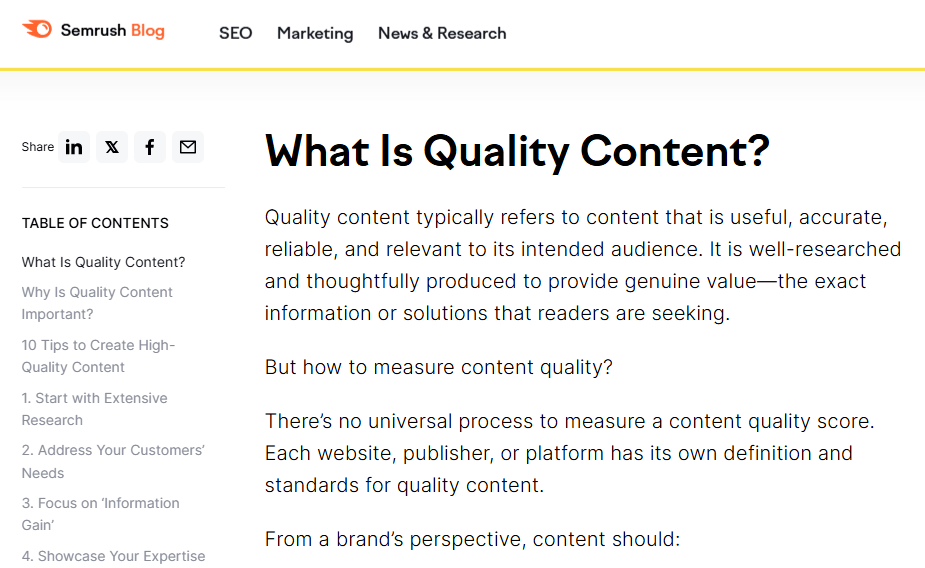
What is Quality Content
Content is one of the most important aspects of SEO. High-quality, relevant, and engaging content can attract and retain visitors, encouraging them to spend more time on your site. Make sure your content is well-written, informative, and provides value to your audience. Regularly updating your content can also help improve your rankings.
To start, identify your ideal customer. Conduct thorough market research, including surveys, interviews, and analysis of industry reports to gather insights on demographics, preferences, and behaviors. Analyze customer data through tools like Google Analytics and social media insights to identify common characteristics and patterns. Develop detailed buyer personas that include demographic and psychographic details, buying habits, and preferred communication channels.
Tailor your product descriptions by using the language and terminology of your ideal customers to make your content relatable and engaging. Focus on highlighting benefits over features, addressing specific pain points, and desires of your target audience. Personalize the tone and style of your writing to match customer preferences, and incorporate social proof like testimonials and reviews. Ensure your descriptions clearly communicate your unique value proposition, use appealing visuals, and optimize for mobile readability to enhance customer engagement and drive conversions.
4. On-Page SEO
What is On Page SEO?
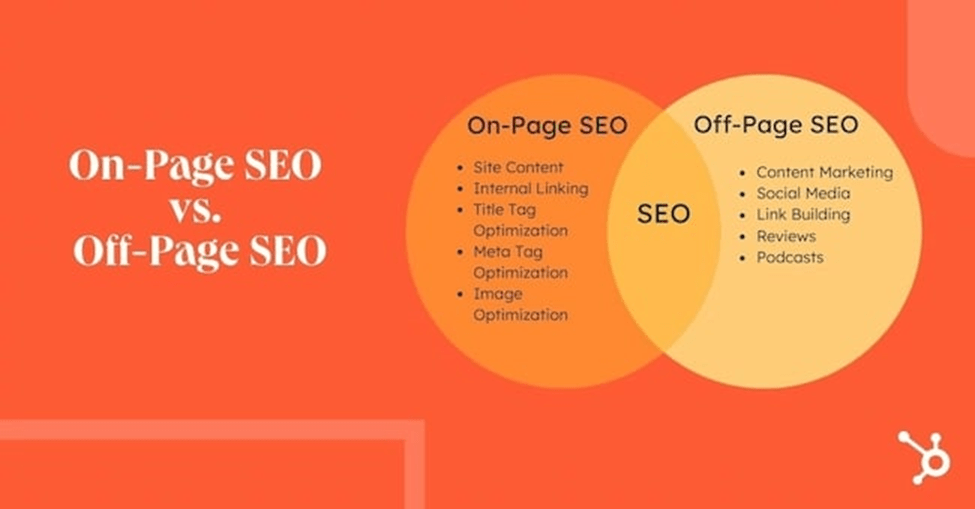
On-page SEO refers to the optimization of individual web pages to rank higher and earn more relevant traffic. This includes optimizing title tags, meta descriptions, headers, and images. Ensure that your keywords are naturally incorporated into these elements without keyword stuffing.
On-Page SEO Factors
- Content Quality and Keywords: Ensuring that the content on your website is high-quality, relevant, and includes targeted keywords.
- Meta Tags and Descriptions: Optimizing title tags, meta descriptions, and header tags to improve search engine understanding and click-through rates.
- Internal Linking: Using internal links to connect related content within your site, helping search engines crawl and index your pages more effectively.
Off-Page SEO Factors
- Backlinks: Earning links from other reputable websites, which signal to search engines that your content is valuable and authoritative.
- Social Signals: Engagements such as likes, shares, and comments on social media platforms, which can drive traffic and indirectly influence rankings.
- Online Reputation: Building and maintaining a positive online reputation through reviews, mentions, and influencer partnerships, enhancing your site’s credibility
5. Technical SEO

“Technical SEO is the foundation upon which all other SEO efforts are built. Without a solid foundation, all your content and link-building efforts will be in vain.”
– Barry Schwartz (Founder of Search Engine Roundtable)
What is Technical SEO?
Technical SEO involves optimizing your website’s infrastructure to ensure search engines can crawl and index your site effectively. This includes improving site speed, ensuring mobile-friendliness, using SSL certificates for security, and creating an XML sitemap. Technical SEO can be complex, but it is essential for ensuring your site is accessible and efficient.
6. Backlinks and Link Building

What are Backlinks and Link Building?
Backlinks are links from other websites to your site. They are a significant ranking factor because they indicate to search engines that your content is valuable and credible. Building high-quality backlinks through guest posting, outreach, and creating shareable content can boost your SEO efforts.
Examples of Backlinks and Link Building
Guest Posting:
- Writing articles for other reputable websites in your industry and including a link back to your own site within the content or author bio. This not only provides a valuable backlink but also helps you reach a wider audience.
Resource Pages:
- Identifying resource pages or lists on other websites that are relevant to your content. Reach out to the site owners, suggesting your content as a valuable addition to their resource list, earning a backlink in the process.
7. User Experience (UX)

Search engines prioritize websites that provide a good user experience. This includes easy navigation, fast loading times, and mobile responsiveness. A positive UX can reduce bounce rates and increase the time users spend on your site, both of which are beneficial for SEO.
Search engines prioritize websites that provide a good user experience by analyzing various factors such as mobile-friendliness, page speed, secure connections (HTTPS), and user engagement metrics. For instance, an e-commerce site can enhance its rankings by ensuring a responsive design, optimizing page load times, using HTTPS for security, and creating high-quality, relevant content. Additionally, easy navigation, minimal intrusive interstitials, and positive user feedback contribute to better UX. By continuously improving these aspects, websites can achieve higher search rankings, increased traffic, and greater conversions
8. Local SEO

If you have a local business, optimizing for local search is essential. This involves claiming your Google My Business listing, getting reviews, and optimizing for local keywords. Local SEO helps your business appear in local search results, driving more traffic from nearby customers.
9. SEO is Constantly Evolving
SEO is not a one-time task but an ongoing process. Search engine algorithms are constantly changing, and staying up-to-date with the latest trends and updates is crucial. Regularly monitor your SEO performance and be prepared to adapt your strategies as needed.
10. Measuring and Analyzing SEO Performance

Use tools like Google Analytics, Google Search Console, and other SEO software to track your performance. Analyze metrics such as organic traffic, bounce rate, and keyword rankings to understand what’s working and what needs improvement.
SEO is a multifaceted discipline that requires a combination of creativity, technical knowledge, and analytical skills. By understanding the fundamentals and staying informed about the latest developments, you can create a robust SEO strategy that drives traffic, boosts visibility, and ultimately achieves your online goals. Whether you’re just starting or looking to refine your existing efforts, these top things to know about SEO will set you on the path to success.
Quick Tips
- Conduct Keyword Research
- Use tools like Google Keyword Planner, Ahrefs, or SEMrush to find relevant keywords with high search volume and low competition.
- Optimize Your Website Content
- Incorporate keywords naturally into your titles, headers, and throughout your content. Focus on creating high-quality, valuable content for your audience.
- Improve Your Site’s Technical SEO
- Ensure your website is mobile-friendly, has a fast-loading speed, and uses HTTPS. Tools like Google Page Speed Insights can help identify areas for improvement.
Of course, the most important thing is to do your research and learn the skillset. Practice does make you closer to perfection.
How I Helped a Boutique Rank on Google’s First Page
As a digital marketing specialist, I helped Luxe Threads, a local boutique, boost its online visibility. Emma, the owner, struggled with traffic and sales, so I conducted an SEO audit. The site needed mobile-friendliness, faster loading, and content optimization.Improving SEOI made the site responsive and faster, then integrated relevant keywords into product descriptions and blog posts. I optimized the Google My Business listing and encouraged customer reviews, enhancing local search visibility.Building AuthorityI reached out to local fashion bloggers for backlinks and submitted the site to directories, improving its authority and rankings.ResultsAfter a few months, Luxe Threads saw a 60% traffic increase and ranked on Google’s first page for key terms, significantly boosting sales. Emma was thrilled, and I was proud to see strategic SEO make such a difference
Books for deeper understanding:




 CHELSEY'S CURATIONS
Leave a comment