Balancing work life balance can be incredibly challenging, especially for digital creators and entrepreneurs who are driven by ambition and creativity.
What is Work Life balance? | #lifeworkbalance
Work Life balance refers to the equilibrium between personal life and professional responsibilities, ensuring that an individual allocates appropriate time and energy to both areas without one overwhelming the other. It involves managing work obligations, family responsibilities, personal interests, and self-care in a way that promotes well-being and prevents burnout. Work and Balance your life!
Key Aspects of Work-Life Management:
Time Management: Effectively dividing time between work-related tasks and personal activities to avoid overcommitment in either area.
Boundaries: Setting clear limits on when work begins and ends to protect personal time and space.
Flexibility: Having the ability to adapt to changing demands in both work and personal life, allowing for a more fluid approach to managing responsibilities.
Prioritization: Identifying and focusing on what is most important in both work and personal life to ensure that essential tasks and relationships are nurtured.
Importance:
Mental Health: Helps reduce stress and prevent burnout, leading to better mental health.
Productivity: A balanced life can lead to increased productivity and creativity at work.
Personal Satisfaction: Enhances overall life satisfaction by allowing time for hobbies, family, and personal growth.
Work-life balance is not a one-size-fits-all concept; it varies depending on individual goals, job demands, and personal circumstances. Maintaining this balance requires ongoing effort and regular adjustments as life and work environments change.
“We think, mistakenly, that success is the result of the amount of time we put in at work, instead of the quality of time we put in.”
Arianna Huffington (Co-Founder of The Huffington Post)
What does work-life balance mean to you, and how do you know when you’ve achieved it?
When you’re in a “go phase”—where your mind is bursting with ideas and everything feels urgent—it’s easy to prioritize work over personal time. The relentless pursuit of growth and success often leads to the temptation to sacrifice personal well-being for professional gains.
However, the wisdom shared by those who have walked this path before reminds us that taking care of ourselves is not just a cliché; it’s a necessity. The truth is, if we don’t prioritize our health and well-being, we won’t be around to enjoy the fruits of our labor. While it might feel like you’re losing precious time by stepping away from work, finding harmony between your professional ambitions and personal responsibilities is essential for long-term success and well-being. It’s about creating a sustainable rhythm that allows you to thrive both in your work and in your personal life.
Work life and personal life balance as a digital creator or entrepreneur comes with its share of challenges. From burnout and time management struggles to the blurring of work-life boundaries, isolation, financial uncertainty, and creative blocks, these pressures can make it difficult to maintain both personal well-being and business success.
Blurring of Work-Life Boundaries:
Example: Working from home blurred the lines between my professional and personal life. I often found myself answering emails during dinner or brainstorming business ideas in the middle of family time. Realizing this was affecting my relationships, I set up a dedicated workspace and committed to ‘clocking out’ at a certain time each day. This small change drastically improved my focus during work hours and my presence during personal time.
The feeling of being overwhelmed by multitasking, the constant pressure to stay relevant, and the expectations of clients and audiences can all contribute to a lack of support and resources, making the journey even rougher.
You will inevitably face both bad days and moments of inspiration, sometimes far apart or close together. However, if these challenges are not addressed, they can take a toll on your business. It’s crucial to recognize the problems and actively work on them, making the decision to do better for both your personal and professional life.
Impact on Business:
Decreased Productivity: Burnout and stress can severely impact your focus, creativity, and decision-making abilities, leading to slower business growth and delayed timelines.
Lower Quality of Work: Overwhelming workloads and creative blocks can lead to rushed, uninspired content, resulting in lower engagement and potentially damaging your brand’s reputation.
Inconsistent Output: Poor time management and difficulty balancing work and personal life can lead to inconsistent content or service delivery, causing a loss of followers or clients who expect reliability.
Strained Client and Customer Relationships: The inability to manage stress effectively may lead to communication breakdowns, missed deadlines, and poor customer service, ultimately leading to lost business opportunities.
Stunted Business Growth: Financial uncertainty and the challenge of managing multiple roles can prevent business expansion, limiting revenue potential and growth opportunities.
“Having the ability to say ‘no’ is a powerful tool in balancing work and life.”
Oprah Winfrey (Media Mogul)
Negative Brand Image: Personal stress and challenges can spill over into your professional life, leading to public displays of frustration or poor interactions on social media, which can harm your brand’s image and trust with your audience.
Impact on Mental Health:
Burnout: The relentless pressure to produce can lead to burnout, characterized by chronic stress, exhaustion, and a loss of motivation, which can result in anxiety, depression, and diminished self-worth.
A few years ago, I hit a wall—burnout was real. I was juggling multiple projects and felt the need to say ‘yes’ to every opportunity. It wasn’t until I found myself physically and mentally drained that I realized something had to change. I started delegating tasks and setting boundaries with my clients, and it made all the difference. Now, I’m more selective with my workload and have found a much healthier work-life balance
Stress and Anxiety: Financial uncertainty and the need to stay relevant in a competitive field can cause persistent stress and anxiety, affecting overall mental well-being.
Isolation: Working independently or remotely often leads to feelings of loneliness, which can exacerbate mental health issues like depression.
Creative Blocks: The constant need to generate new ideas can lead to creative blocks, increasing frustration and self-doubt, further impacting mental health.
Impact on Personal Relationships:
Strained Relationships: The blurring of work-life boundaries often leads to long working hours, leaving little time for personal relationships, which can strain bonds with family and friends.
Communication Breakdown: The intense focus on work can reduce communication with loved ones, leading to misunderstandings and emotional distance.
Reduced Quality Time: The inability to disconnect from work means less quality time spent with family and friends, weakening bonds and reducing the emotional support system crucial for well-being.
Recognizing these challenges and actively working to address them is vital for maintaining both personal health and business success. Making the decision to prioritize balance and well-being will not only enhance your personal life but also strengthen your business in the long run.
Susan Sly, an expert in work-life balance, shares several key strategies for achieving balance between professional and personal life. Here are some of her key approaches:
Re-Assess Your Priorities: Regularly re-evaluate your business and personal priorities to ensure that your focus aligns with your current goals and needs. This might involve adjusting your schedule to better manage new clients or team members during different times of the year.
I find it crucial to start each day by clearly outlining my priorities. This way, no matter how unpredictable the day becomes, I can ensure that I accomplish the most important tasks.
Time Management: Susan emphasizes the importance of being consistent with your time. She suggests setting regular working hours and sticking to them to maintain momentum, rather than attempting to catch up by working sporadically.
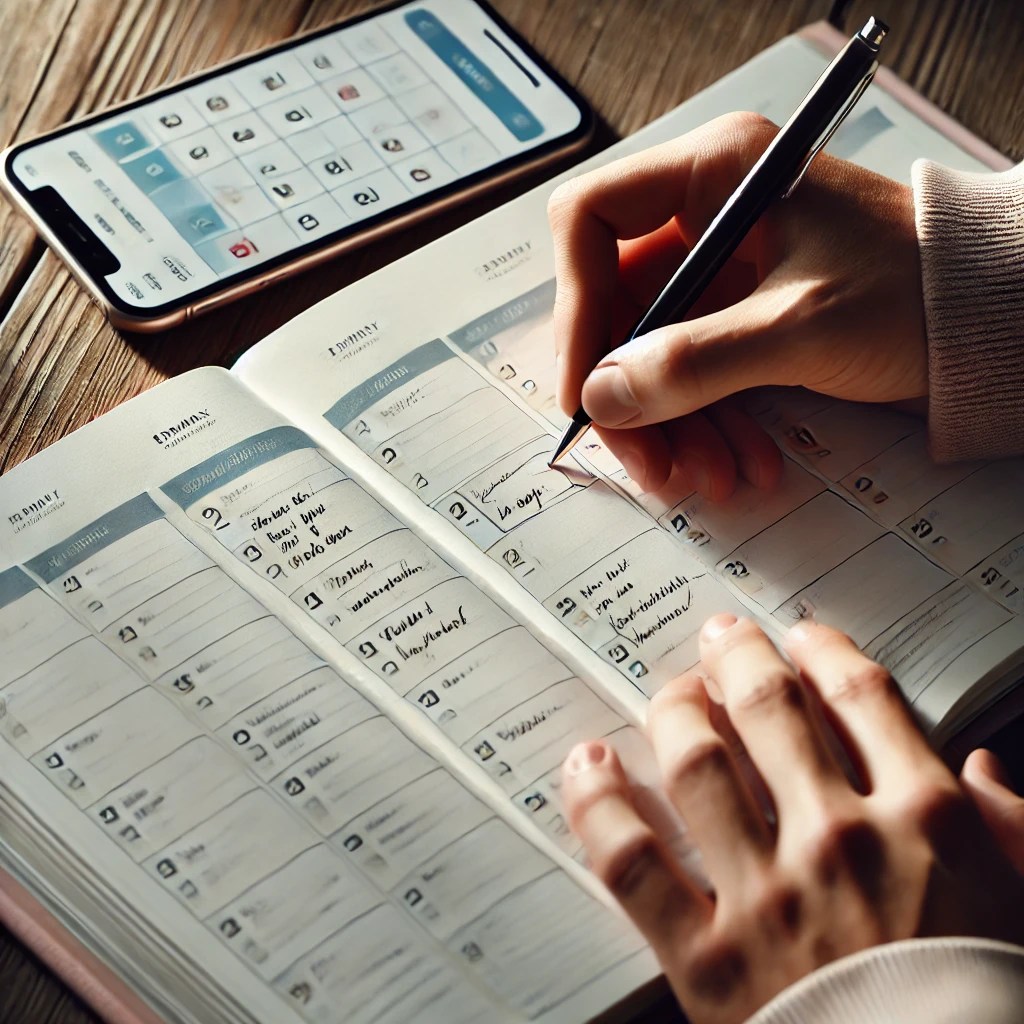
When I first launched my online business, I was so driven that I often worked late into the early morning, getting only 3-4 hours of sleep before heading to my 8 to 5 job. This constant exhaustion took a toll on me until I started using a simple weekly planner. It was then that I realized how much more productive and energized I could be with better time management. Now, I make it a priority to end my workday by 6 PM, dedicating my evenings to family and self-care.
How do you currently prioritize your tasks, and is your method working for you?
Outsourcing and Delegation: To avoid burnout, Susan recommends outsourcing non-essential tasks, such as administrative work, to virtual assistants or other professionals. This allows you to focus on high-priority tasks that directly impact your business’s success.
Efficient Use of Free Time: Recognize when it’s best to use your free time for work or relaxation. Susan advises being strategic about how you spend any extra time, whether catching up on work or recharging your energy.
Clear Communication: It’s crucial to clearly communicate your availability and boundaries to family, friends, and colleagues. This helps manage expectations and prevents work-life conflicts.
Embracing Flexibility: Sometimes, achieving balance requires making significant lifestyle changes, such as considering a pay cut for a more flexible schedule if it means greater personal satisfaction and well-being.
Self-Care and Health: Susan also emphasizes the importance of self-care, including proper meal planning and time for physical activity, to maintain overall well-being and prevent burnout.
By implementing these strategies, Susan Sly believes that it is possible to achieve a sustainable work-life balance that allows for both professional success and personal fulfillment.
“If you want to be a CEO, it’s not really work-life balance, but rather work-life choices.“
Indra Nooyi (Former CEO of PepsiCo)
To gain better insight into your work-life balance and overall well-being, it’s essential to reflect on a few key questions: What are the primary sources of stress in both your professional and personal life? How effectively are you managing your time between work obligations and personal activities? Lastly, consider your top priorities in life—are you dedicating enough time and energy to the things that matter most to you? Evaluating these aspects can help you identify areas for improvement and guide you toward a more balanced and fulfilling lifestyle.
Setting Clear Boundaries
Do you find it difficult to say “no” to additional work, even when your schedule is full?
Defining clear boundaries between work and personal life is essential for maintaining a healthy balance. Establishing specific work hours and sticking to them helps prevent work from bleeding into personal time, allowing for relaxation and time with loved ones. It’s equally important to communicate these boundaries effectively to clients, colleagues, and family members. Let them know your working hours and when you’ll be available, setting expectations early to avoid conflicts. For example, you can set up an automated email response outside of work hours or establish a shared calendar with family members to prevent interruptions during focused work time.
“You can’t have a work-life balance if you are working 120 hours a week.”
–Elon Musk (CEO of Tesla and SpaceX)
Effective Time Management
Effective time management involves prioritizing tasks, setting achievable goals, and using tools that help organize both work and personal life. Start by identifying your most important tasks and tackling them first, breaking down larger goals into manageable steps. Utilizing tools like Trello or Asana can help digital creators organize their projects, while Google Calendar or Todoist can keep both work and personal appointments in check. These tools allow you to plan your day, set reminders, and track your progress, ensuring that you remain productive without becoming overwhelmed.
Delegation and Outsourcing
One way to maintain work-life balance is by delegating or outsourcing tasks that do not require your direct involvement. Identify tasks that are time-consuming but not critical to your role, such as administrative work, graphic design, or even household chores. Platforms like Upwork, Fiverr, or TaskRabbit can connect you with reliable professionals who can handle these tasks, freeing up your time to focus on what matters most. Instacart is my friend. I just do not have the time to grocery shop. Delegation not only reduces your workload but also allows you to leverage the expertise of others, potentially improving the quality of the work.
Maintaining Physical and Mental Health
Your physical and mental health are crucial to sustaining long-term productivity and well-being. Regular exercise, a balanced diet, and sufficient sleep are foundational to maintaining energy levels and preventing burnout. Incorporating mindfulness practices, such as meditation or yoga, can also help reduce stress and improve focus. Unplugging from digital work, especially before bedtime, allows your mind to rest and recharge. Tools like Headspace or Calm can guide you through mindfulness exercises, helping you stay grounded and centered.
Regular Check-ins and Adjustments
To ensure your work-life balance remains effective, it’s important to regularly assess your situation and make necessary adjustments. Schedule regular check-ins with yourself to evaluate how well your current strategies are working. Are you feeling overwhelmed or consistently missing personal commitments? If so, it might be time to adjust your routine or set new boundaries. Being flexible and willing to adapt as your life circumstances change will help maintain a sustainable balance.
Building a Support Network
Having a strong support system is vital for both professional and personal well-being. Surround yourself with people who understand your goals and challenges, both in your work and personal life. Engaging with communities of similar professionals, whether through online forums, networking events, or social media groups, provides a platform for advice, encouragement, and collaboration. Platforms like LinkedIn groups or Slack communities can connect you with like-minded individuals who can offer support and share insights that enhance your professional journey.
What steps can you take to establish clear boundaries between work and personal life?
What are the most important aspects of your life, and are you dedicating enough time to them?
If you could change one thing about your current work-life balance, what would it be?
Actionable Tips
Checklist for Balancing Tasks:
Weekly Planner Template: Create a weekly planner that includes both work and personal tasks. Allocate specific time blocks for each task, ensuring you include breaks and personal activities. Here’s a basic template to get started:Monday to Friday:
Morning (7-9 AM): Personal time (exercise, breakfast, meditation)
9 AM – 12 PM: Work tasks (priority projects, meetings)
Evening (5-7 PM): Personal activities (family time, hobbies)
7 PM onwards: Unwind and relax (dinner, reading, light exercise)
Saturday to Sunday:
Allocate time for personal interests, family activities, and light work if necessary.
Daily or Weekly Habits:
Daily Habit: Start your day with 10 minutes of mindfulness or meditation to set a positive tone. Use apps like Headspace or Calm to guide you.
Weekly Habit: Schedule a review every Sunday evening to plan the upcoming week. Reflect on what worked, what didn’t, and make adjustments accordingly.
Conclusion
Achieving a work-life balance is essential not just for productivity but for overall well-being. By setting clear boundaries, managing your time effectively, and prioritizing your health, you can create a sustainable lifestyle that supports both your professional and personal goals. Remember, balance is a continuous process of self-assessment and adjustment. By taking small, consistent steps, you can make significant improvements in your life.
We’d love to hear from you! Share your experiences or tips for balancing work and personal life in the comments below. Interested in diving deeper?
What small changes can you implement today to start improving your work-life balance?
How do you plan to hold yourself accountable for maintaining a healthier balance moving forward?
Sign up for our newsletter on helpful tips for entrepreneurs and digital creators on time management and productivity, where we’ll explore practical strategies to help you achieve a balanced and fulfilling life.
Subscribe for Free Newsletter
Subscribe to our newsletter to get the latest stories in your inbox.
Greetings! I am Chelsey, the heart and soul behind Chelsey’s Curations. This space is born from my journey of relentless determination and the desire to share the knowledge I’ve gathered along the way.
Paste my profile into the search field of your favorite open social app or platform.
Your Profile
Or, if you know your own profile, we can start things that way! Why do I need to enter my profile?
This site is part of the ⁂ open social web, a network of interconnected social platforms (like Mastodon, Pixelfed, Friendica, and others). Unlike centralized social media, your account lives on a platform of your choice, and you can interact with people across different platforms.
By entering your profile, we can send you to your account where you can complete this action.












 CHELSEY'S CURATIONS
Leave a comment